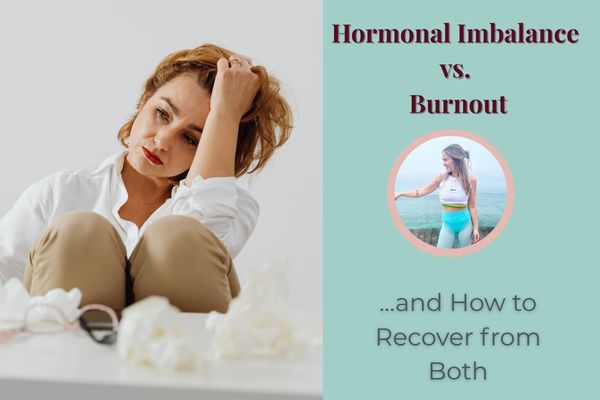
The Difference Between Burnout and Hormonal Imbalance (And How to Recover From Both)
There was a season of my life where I genuinely thought I was just failing at adulthood.
I was exhausted all the time. Not “I need a nap” tired. More like, “I could sleep 10 hours and still cry in the Target parking lot” tired.
My patience was gone. My motivation disappeared. My brain felt foggy constantly. I would walk into rooms and forget why I was there. I couldn’t handle stress the way I used to. Small things felt huge.
And because I’m someone who gets things done, I kept thinking:
“Maybe I just need to try harder.”
“Maybe I need to be more disciplined.”
“Maybe I’m just overwhelmed.”
But looking back now, I can see so clearly that I was dealing with both burnout and hormone imbalance at the same time. The hard part is that they look incredibly similar.
Burnout and Hormonal Imbalance Share a Lot of Symptoms
This is why so many women feel confused.
Burnout symptoms and hormone imbalance symptoms overlap constantly, especially during perimenopause.
Things like:
Chronic fatigue
Brain fog
Mood swings
Anxiety
Poor sleep
Weight gain
Sugar cravings
Feeling emotionally flat
Low motivation
Feeling overstimulated all the time
Burnout usually comes from long-term stress, over-functioning, emotional overload, and never truly recovering.
Hormonal imbalance can come from stress too, but it can also be connected to perimenopause, cortisol dysregulation, inflammation, poor gut health, nutrient depletion, and blood sugar instability.
For me, it was both feeding each other.
The more burnt out I became, the worse my hormones got.
The worse my hormones got, the harder it became to recover from stress.
It felt like living in survival mode 24/7.
I Thought I Needed Motivation. What I Actually Needed Was Support.
At the time, I was juggling a lot.
Motherhood. Ministry. Pageantry. Work. Responsibilities. Constant mental tabs open in my brain. Trying to take care of everybody while slowly disappearing myself.
I was also taking 17 supplements a day trying to “fix” myself.
Meanwhile I was surviving on caffeine, running on adrenaline, and wondering why I still felt terrible.
There came a point where I realized:
This wasn’t laziness.
This wasn’t a mindset problem.
My body was waving every red flag it had.
I didn’t need more pressure.
I needed recovery.
I needed nervous system support.
I needed hormone support.
I needed to stop treating my body like a machine.
What Actually Helped Me Start Feeling Better
Healing wasn’t one magic supplement or one perfect routine.
It was a lot of small things done consistently.
GrowthDay
One of the biggest shifts for me was realizing my brain needed support just as much as my body did.
I started using GrowthDay in the mornings, even if it was only for a few minutes. It helped me reconnect with myself mentally before the chaos of the day started pulling at me.
Not in a toxic positivity way. In a grounding way.
Power of 3
Power of 3 became one of my non-negotiables.
Between the DIM, glutathione, and antioxidant support, I noticed:
Better sleep
More emotional stability
Less PMS intensity
Better stress resilience
Fewer random crashes
It helped me feel more regulated instead of constantly reactive.
Electrolytes
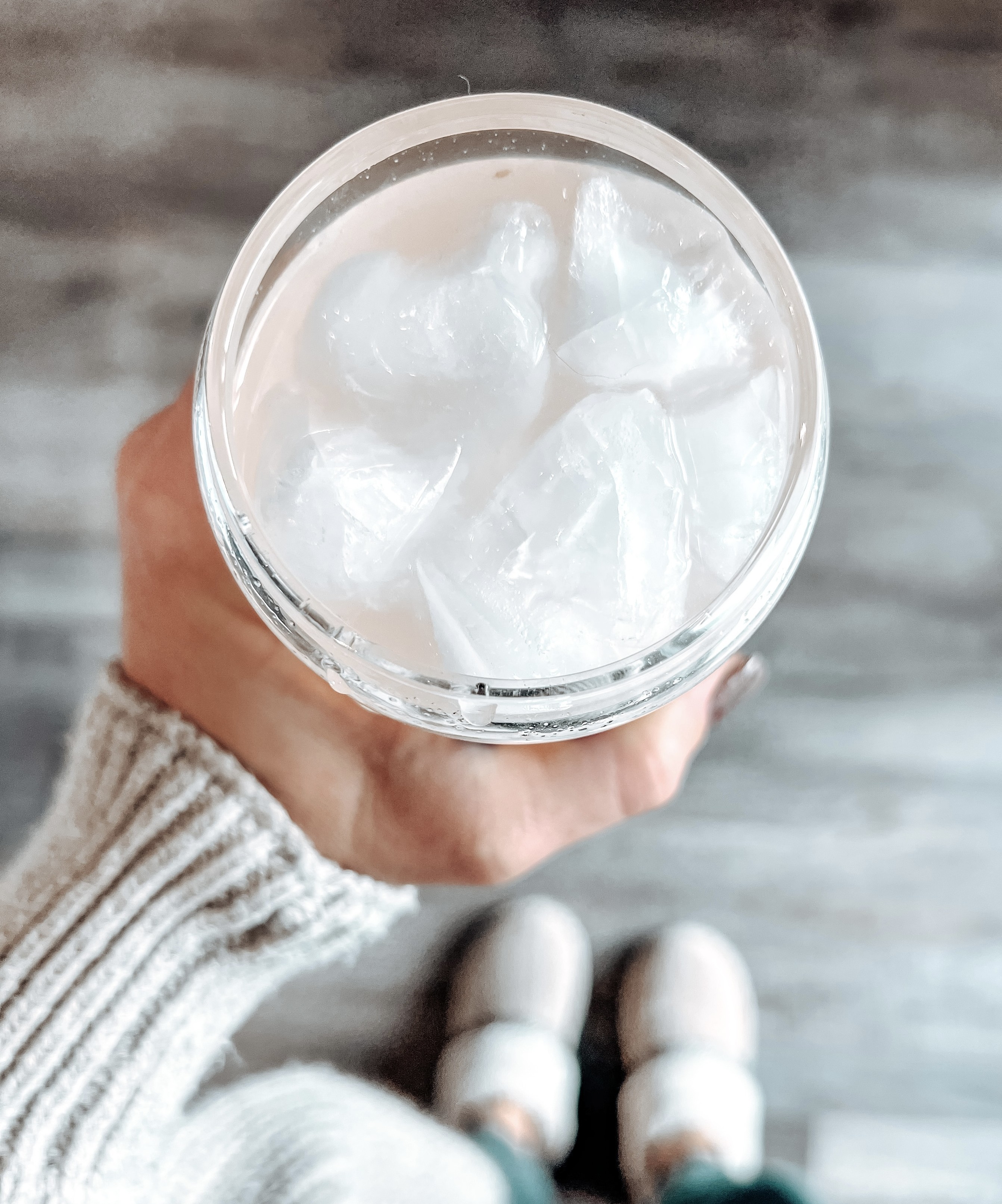
I underestimated hydration for years.
Not just water. Actual mineral support.
Adding Electrolytes helped with:
Energy
Brain fog
Recovery
Mood
Headaches
Feeling less depleted overall
Especially as a busy mom, I didn’t realize how much chronic stress was draining my body.
You can see my full wellness routine and favorite products on my Beneve Favorites Page
Recovery Took Longer Than I Wanted It To
I wish I could tell you I bounced back in two weeks.
I didn’t.
I felt the instant impact immediately but overall progress felt slow at first. I wanted to feel like “old me” again immediately.
But over a couple months, things totally changed.
I stopped waking up feeling instantly overwhelmed.
My brain started feeling clearer.
My reactions softened.
I felt more emotionally steady.
I started feeling present in my own life again.
That’s the part people don’t talk about enough:
Healing isn’t always dramatic.
Sometimes it’s subtle.
Sometimes it’s just realizing you handled something calmly that would have wrecked you six months ago.
You Can Feel Better
If you’re sitting here wondering whether you’re burnt out, hormonally imbalanced, or both... please hear me when I say this:
Your body is not betraying you.
It’s communicating.
And sometimes the strongest thing you can do is stop fighting your body long enough to finally support it.
If you want a simple place to start, download my Free Hormone Guide on my links page. It walks through the exact things I wish someone had explained to me sooner about stress, hormones, energy, metabolism, and recovery.
You do not have to stay stuck in survival mode forever.